Tag: Education

Why Continuing Education Matters for Fitness Instructors and Personal TrainersWhy Continuing Education Matters for Fitness Instructors and Personal Trainers

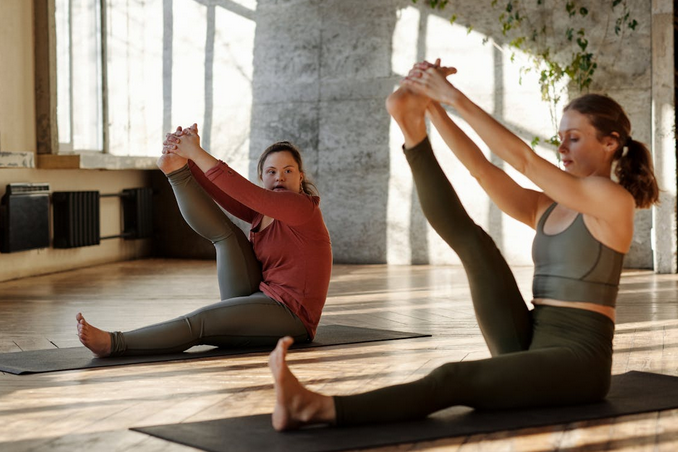
The fitness industry changes rapidly. New exercise methods, training philosophies, and health insights appear every year. A personal trainer who learned everything a decade ago may already be behind. Continuing education, including online personal training courses, helps instructors stay updated with science-backed practices instead of relying on outdated trends. This ensures clients receive safe and effective guidance built on the latest research rather than guesswork or myths.

Building Credibility and Trust
personal trainer

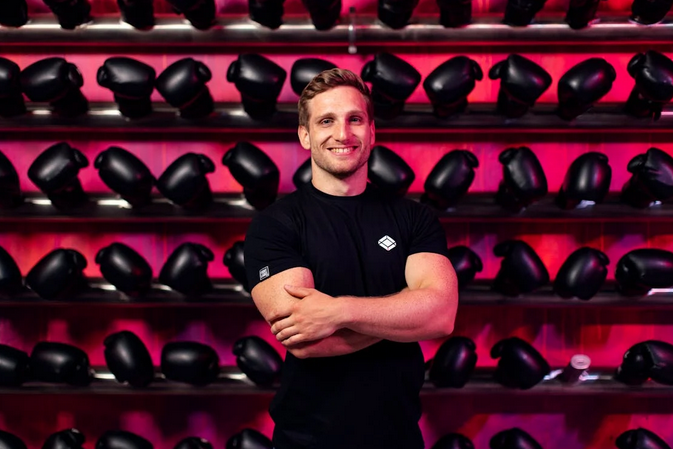
Clients place their health in the hands of instructors. That responsibility requires more than a certification earned once and never revisited. When a trainer commits to ongoing education, clients notice. They recognize the effort and professionalism behind that choice. This builds credibility and trust, which are the foundations of long-lasting client relationships. Trust often translates into client retention, referrals, and steady career growth.

Expanding Career Opportunities

Not all trainers want to stay in the same role forever. Some aspire to manage gyms, teach group classes, or work with athletes. Others want to specialize in rehabilitation, senior fitness, or youth training. Each career direction often requires new skills. Continuing education opens doors to these opportunities by providing the knowledge and credentials that employers and clients demand. It allows professionals to carve out a unique path in a crowded market.

Improving Client Results

Clients expect measurable results. They come with goals such as losing weight, building strength, or improving mobility. An instructor with ongoing education can design better programs tailored to those goals. For example, learning about functional movement patterns allows trainers to help clients prevent injury. Studying nutrition basics enables them to offer broader support. Education directly improves outcomes, which in turn enhances client satisfaction.

Keeping Motivation and Passion Alive
motivate

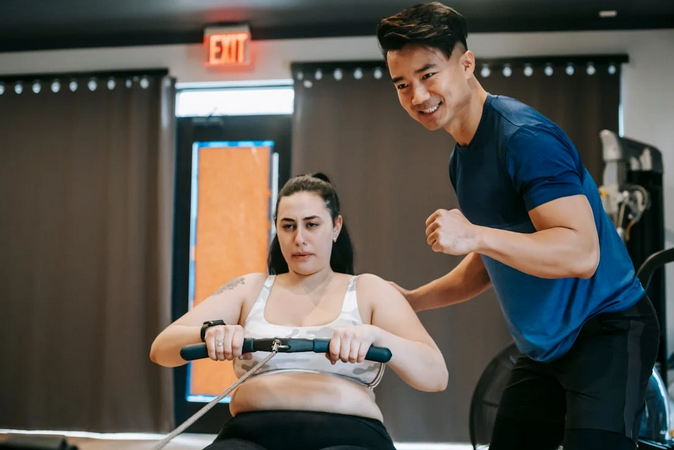
Even the most dedicated trainer can fall into a routine. Teaching the same workouts repeatedly may lead to burnout. Continuing education breaks that cycle. Each new course, seminar, or certification introduces fresh perspectives and methods. This keeps the work exciting, and that passion shows during sessions. Clients benefit from an instructor’s enthusiasm just as much as they benefit from the technical knowledge. For the professional, ongoing learning ensures a career that feels engaging rather than stagnant.

Meeting Industry Standards and Requirements

Many certifying bodies require continuing education units (CEUs) to maintain active status. This is not simply a formality. It is a way to ensure trainers remain competent as the industry evolves. Skipping these requirements may lead to expired certifications, which can limit job opportunities and credibility. Meeting standards is also a way to demonstrate utmost commitment to professionalism, showing both employers and clients that the trainer takes the role seriously.

Enhancing Professional Network

Education is rarely a solo effort. Workshops, conferences, and online courses bring professionals together. Networking with peers often creates opportunities for collaboration, mentorship, and career advancement. Sharing ideas with others in the field sparks creativity and problem-solving. These relationships can also lead to job offers, partnerships, or exposure to training methods a trainer might never have discovered alone. Expanding one’s network through education is just as valuable as the lessons themselves.

Preparing for the Future of Fitness

Technology is reshaping fitness. Virtual classes, wearable data, and AI-driven programs are already influencing how trainers work with clients. Instructors who fail to adapt risk being left behind. Continuing education provides the tools to stay competitive in this changing landscape. By embracing new approaches and learning to use modern tools, trainers position themselves as forward-thinking professionals. This adaptability ensures long-term relevance in an industry that rewards innovation.

Continuing education is not optional for fitness instructors and personal trainers who want lasting careers. It helps them stay current, earn trust, expand opportunities, and deliver better results. It keeps passion alive, meets professional requirements, grows networks, and prepares them for the future. In an industry built on health, growth, and transformation, ongoing learning is the key to remaining effective and respected. Trainers who commit to it will always be ahead, both for themselves and for the clients they serve.…

How to Choose the Right Montessori School for Your ChildHow to Choose the Right Montessori School for Your Child

Choosing the right school for your child is one of the most significant decisions you’ll make as a parent. With countless options out there, it can feel overwhelming. Among these choices, Montessori schools stand out for their unique approach to education. They focus on fostering independence, creativity, and critical thinking skills in children.

But how do you know if a Montessori school is the right fit for your child? What should you look for when evaluating different programs? This guide will walk you through essential aspects to consider so that you can make an informed decision with confidence. Let’s dive into what makes Montessori education special and how to find the perfect environment for your little learner.

Understand the Montessori Philosophy

Understanding the Montessori philosophy is key to appreciating its educational approach. Developed by Dr. Maria Montessori over a century ago, this method emphasizes child-led learning. It encourages children to explore their interests at their own pace. In a Montessori setting, education isn’t just about academics. It’s also about nurturing social skills and emotional intelligence. Children learn in mixed-age classrooms where they can collaborate and support one another. Another cornerstone of this philosophy is respect for each child’s individuality.

Research Accreditation and Credentials

When looking for a Montessori school, understanding accreditation is key. Accredited programs have met specific standards set by professional organizations. This ensures they provide quality education in line with Montessori principles. Take the time to check which accrediting bodies are recognized in your area. Associations like the American Montessori Society or Association Montessori Internationale are reputable options to consider. Credentials of teachers also matter significantly. Trained educators who hold certifications from recognized Montessori training centers can make a big difference in your child’s learning experience.

Explore the Classroom Environment

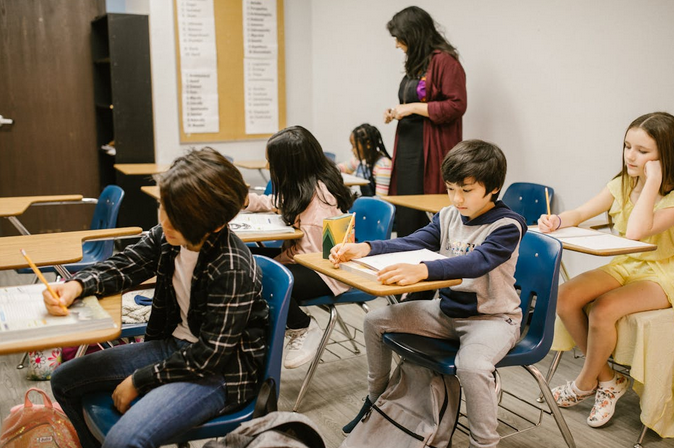
When visiting a Montessori school, pay close attention to the classroom environment. The space should feel open and welcoming. Natural light, combined with soft colors, creates an inviting atmosphere. Look for child-sized furniture that encourages independence. Each item in the room should be accessible to little hands. This fosters autonomy as children choose their own activities. Observe how materials are organized on shelves.

Evaluate the Curriculum and Activities

When assessing a Montessori school, take a close look at the curriculum and activities offered. Authentic Montessori education emphasizes hands-on learning and real-world experiences. Observe if children engage in projects that spark their creativity. Consider how subjects like math, science, art, and language are integrated into daily activities. Are there opportunities for exploration? Look for an environment that encourages independent thinking and problem-solving skills. Check if the school provides mixed-age classrooms.

Choosing the right Montessori school for your child is an important decision that requires thoughtful consideration. Start by understanding the core principles of Montessori education, which emphasizes independence, respect, and hands-on learning. Familiarize yourself with the school’s accreditation status to ensure it meets quality standards.…

Different Ways to Learn More About SomethingDifferent Ways to Learn More About Something

You never stop learning until your last dying breath. People keep evolving and keep developing. Throughout your life, you are in a constant state of learning. You acquire new knowledge from everywhere you go and from every new person you meet. We are all students of life.

When it comes to knowledge, it is the ultimate power. Knowledge is mighty, and we must always strive to acquire more of it. That is why we keep on learning.

When it comes to a specific subject or topic that we don’t understand yet, we are inclined to learn about it. When it comes to learning a new subject, there are many ways how we can acquire that knowledge. In this article, we are going to talk about some different ways how you can learn more about something. This article will let you know some of the top things that you can try to do so that you can learn more about a particular subject that you look forward to learning. Here are some different ways on how to learn more about something:

Formal Education

students learning

The most common way how you can dive deeper into a particular object is by undergoing a formal education. Formal education is very synonymous to school. It is a type of education that you get so that you can have a degree by the end of the course of the designated period. Formal education usually takes up the most extended amount of time compared to the others. However, it is the most validated and prestigious ways to learn more about something.

Seminars, Workshops, and Conventions

seminar audience

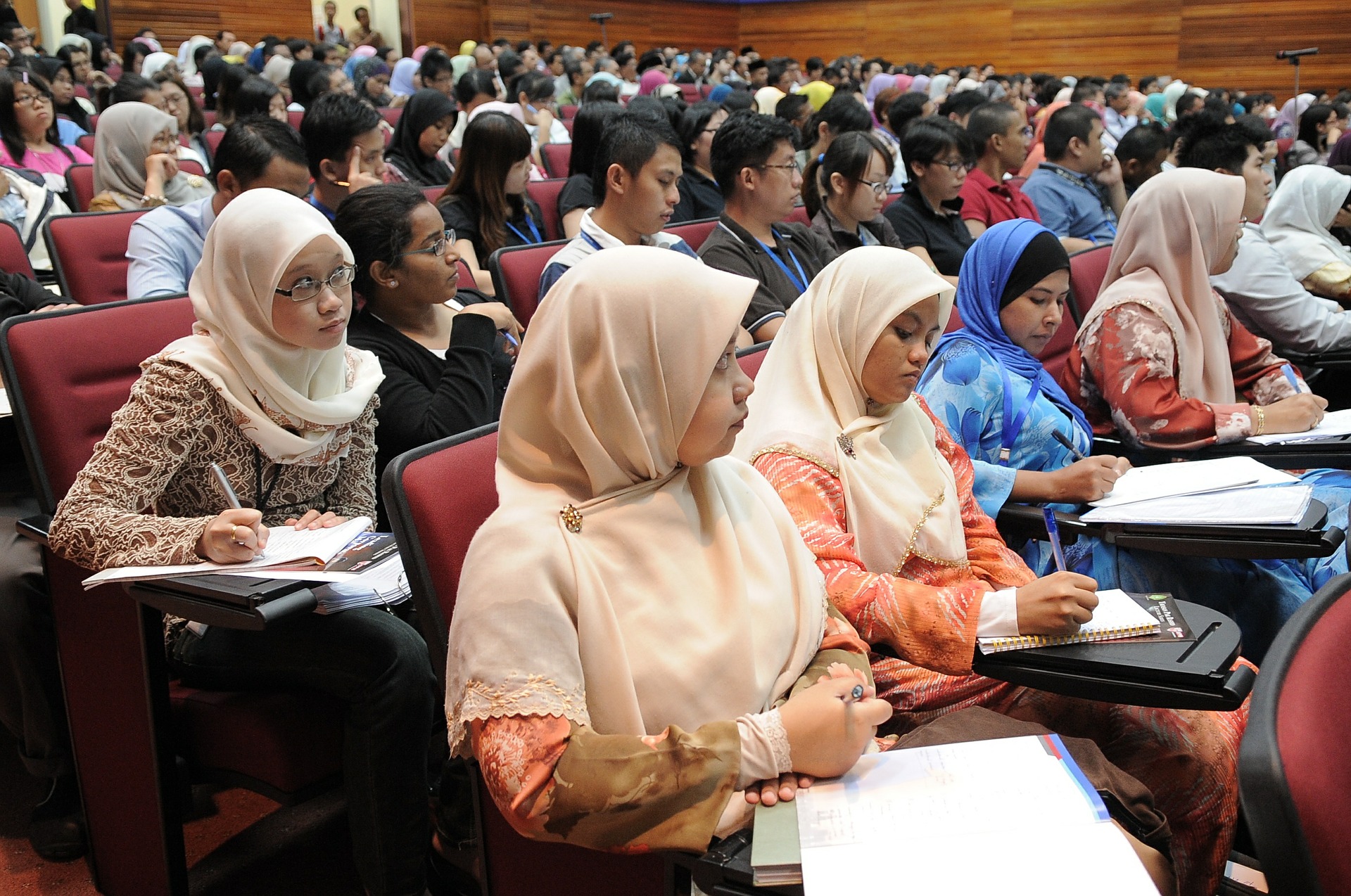
Seminars, workshops, and conventions are usually a short educational program that typically lasts for one to several days. When it comes to these kinds of educational method, there is a wide array of different types and subjects that you can choose from. There are many conferences and conventions related to specific industries, job positions, and more. There are also workshops that are more specific that discuss a very particular topic of a subject.

Courses

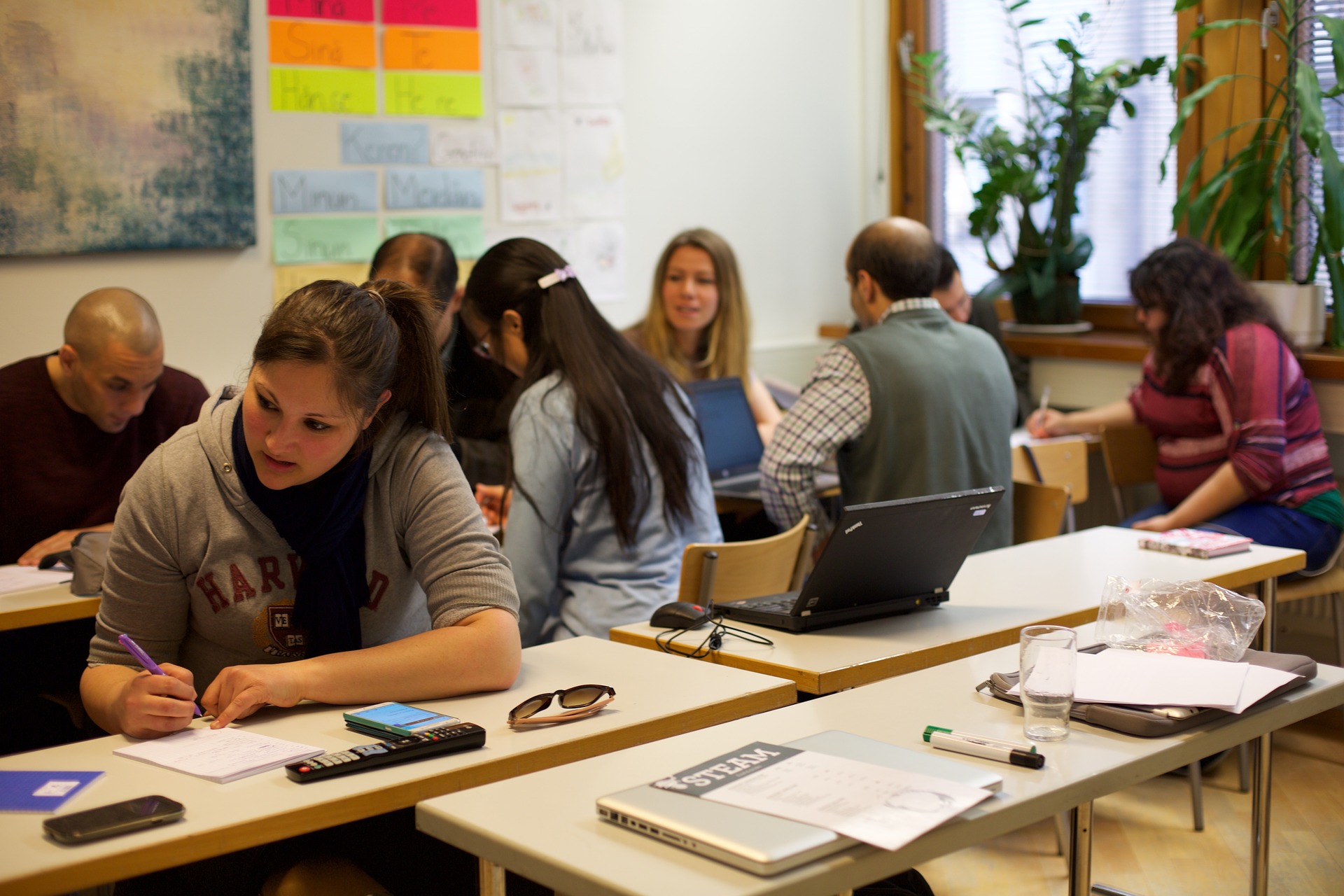
adult course

Courses can be considered informal education. When compared to formal education such as school and university, courses only spans for several months up to a year. When formal education provides you with a degree, courses will award you with certification at the end of the term. On the bright side, if you are interested in learning about something and be validated for it for only a short amount of time, an informal education such as a course is a great option.…